Completing the Lake Apopka Loop Trail
Nine years ago, cyclists attempting to circle Florida’s fourth largest lake came upon a couple of shoulder-less road segments and no safe route around Lake Apopka. What followed was a persistent, shoe-leather campaign — spanning county lines, the state legislature, pandemic setbacks, and several funding efforts — that will, at last, snap the ring shut. In the spring of 2026, the project will be complete and serve a model of how perseverance — and partnerships — can pave the way to success.
The following is a guest post by Joe Dunn, president of Friends of Lake Apopka, who shares the story of how advocates and leaders made it happen.
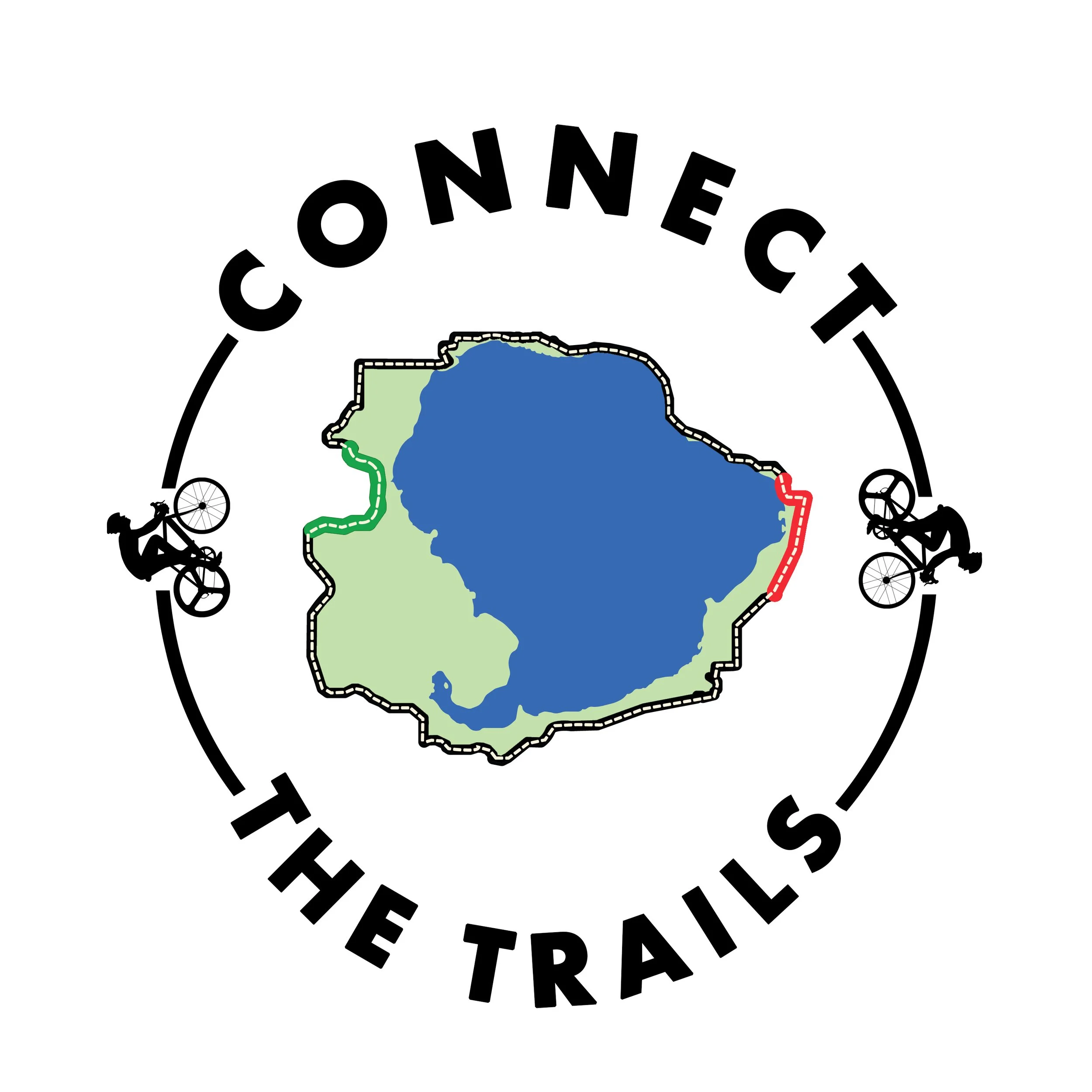
In 2017, Friends of Lake Apopka (FOLA) organized the first FOLA 40 bike ride around Florida’s fourth largest lake, Lake Apopka. The mission of the ride was to raise awareness around the continued restoration of Lake Apopka, the amazing network of paved and gravel trails near the lake, and the need to connect those trails into a safe 42-mile loop trail around the lake. The organization was founded in 1991 by Jim Thomas to support and protect the lake’s vitality.
To circumnavigate Lake Apopka on a bicycle, however, people needed to ride on three miles of shoulder-less roads to get from the West Orange Trail to Magnolia Park in Orange County on the east side. On the west side, one would need to ride three miles on winding shoulder-less roads to get from the Green Mountain Scenic Overlook to the Hancock Trail in Lake County.
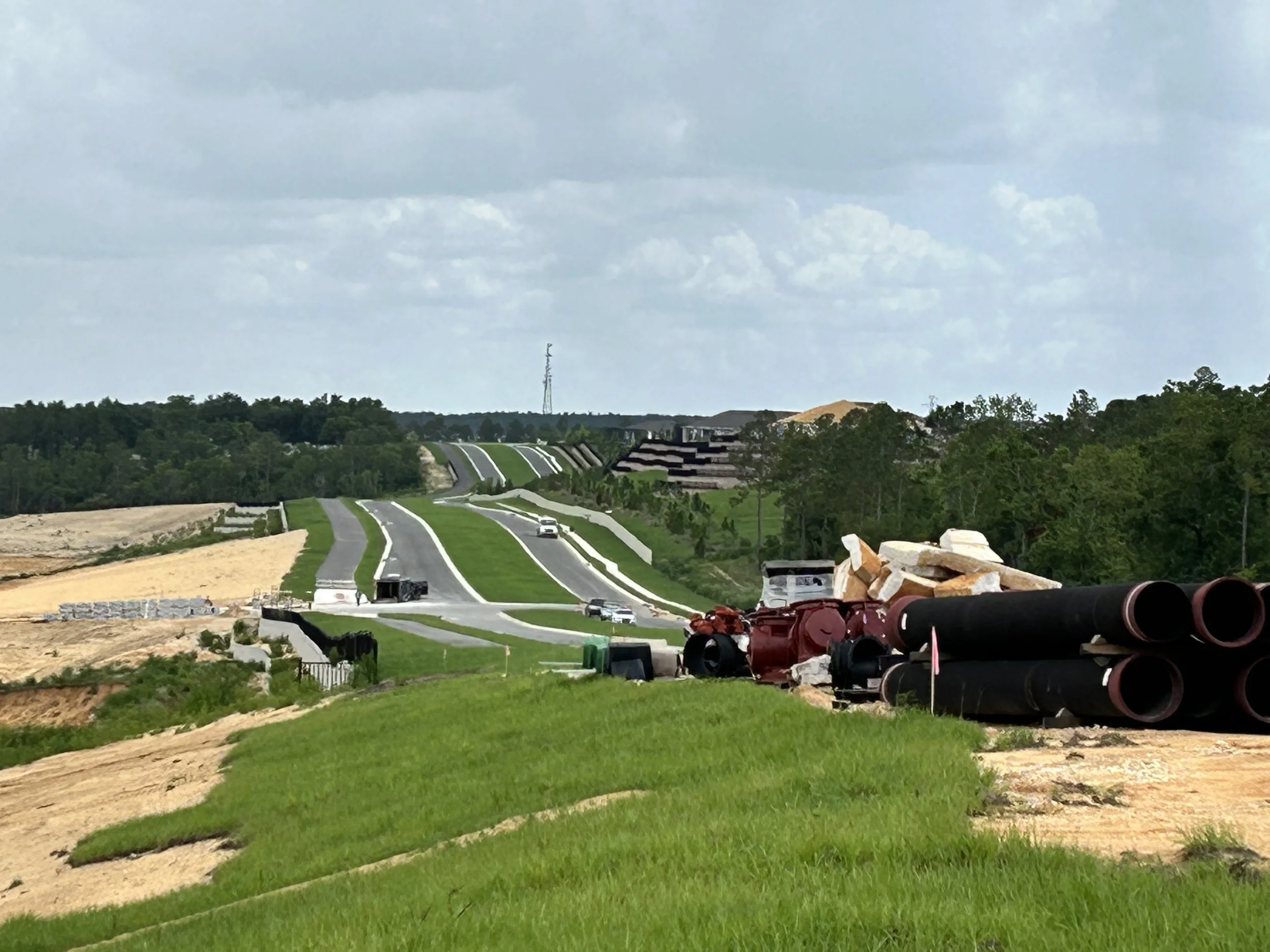
Nine years later, in the spring of 2026, when Orange County connects the West Orange Trail to Magnolia Park, the dream of a fully connected Lake Apopka Loop Trail will be realized.
Securing the Funding
The project initially posed a challenge because a third of the trails were in Orange County, a third in Lake County, and a third on state property managed by the St. Johns River Water Management District. It was going to take some coordination.
It was clear that a substantial amount of funding would be needed to build the segments that would close the gaps. FOLA began its advocacy for this support by meeting with then-Orange County Commissioner Betsy VanderLey, who counseled us to begin by engaging the business community through the West Orange Chamber of Commerce. She also strongly recommended partnering with Orange County Parks and Recreation staff, since they would ultimately own and operate the trail.
Organizations have charters and responsibilities, but people make things happen. In 2019, Commissioner VanderLey; then-West Orange Chamber Vice President Krista Carter; Nick Lepp, formerly with MetroPlan Orlando; and Orange County Parks and Recreation then-leader Matt Suedmeyer were able to secure $10.9 million in the local budget to connect the West Orange Trail to Magnolia Park.
From East to West
Once the funding was available for the east side connection, FOLA turned its attention to the west side connection.
The Lake County Board of County Commissioners unanimously supported our effort on the west side; we approached each commissioner individually so that we adhered to the Sunshine Law. Lake County Parks & Trails leadership and the Friends of Lake County Trails also actively advocated to connect the trail.
Developers donated the land on which the Green Mountain Connector trail would be built. FOLA then went to the Florida Legislature and asked for funds to design and engineer the trail connection. We used a one-page flyer entitled “The Last Three Miles” to urge the legislature to fund the Green Mountain Connector. We were fortunate to have the active support of our regional delegation. We went to Tallahassee and literally contacted every staffer on the relevant subcommittees and committees in the House and Senate, delivering our one-page summary. The funding made it through the entire process but was line-item vetoed by Governor Ron DeSantis (without prejudice, all trail projects were vetoed because of a $1 billion revenue shortfall at that time due to the Covid pandemic).
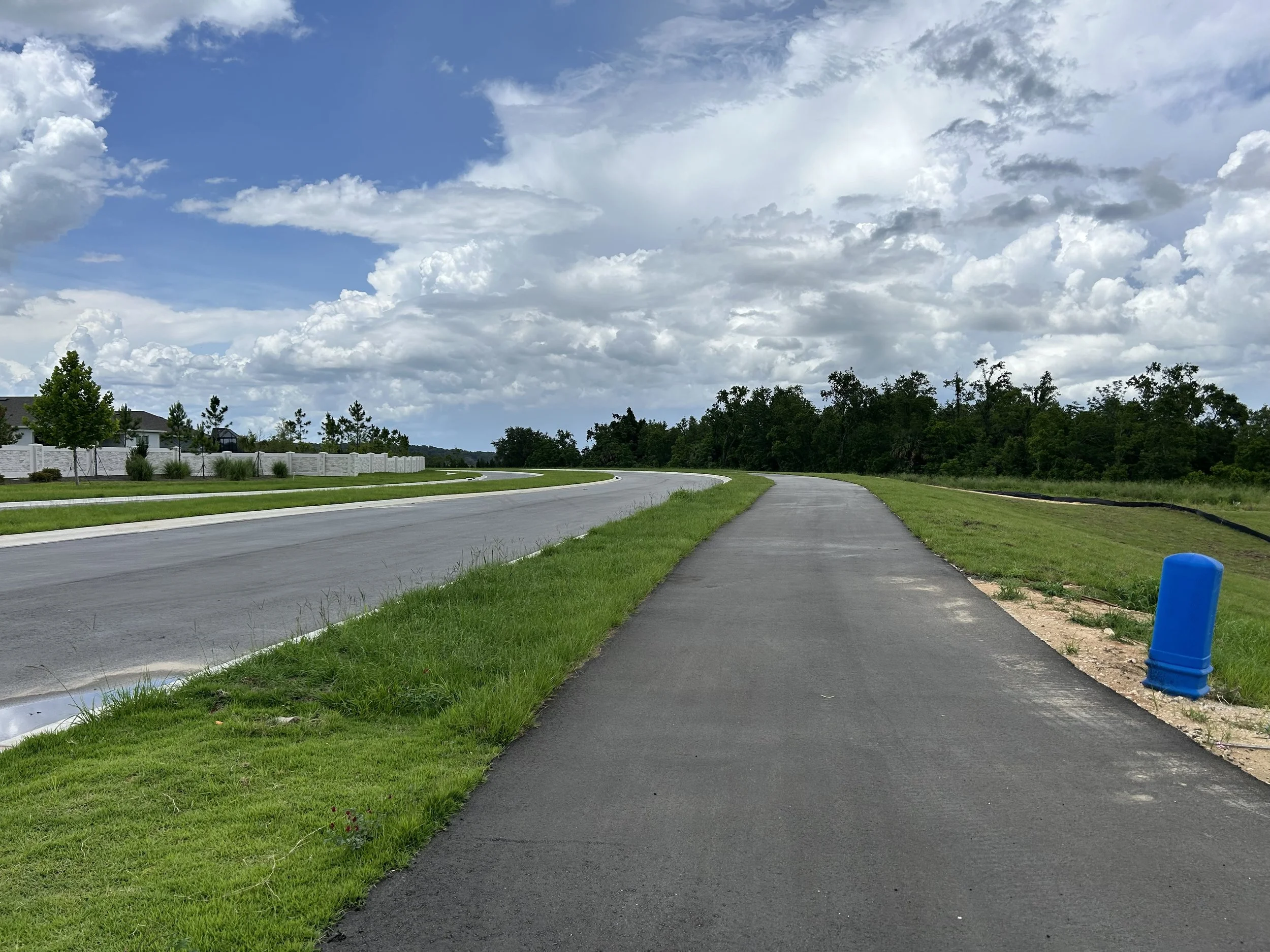
But in 2021, in recognition of our hard work at the previous session, $2 million was approved for the project by the House, Senate, and Governor.
While FOLA did much of the groundwork, advocacy by Mike Stephens and Friends of Lake County Trails brought the funding to fruition. (Mike is currently treasurer of the Florida Greenways & Trails Foundation Board of Directors.)
Evolution of the Bike Ride
As we canvassed state and local politicians at the beginning of the campaign, they had a universal reaction to the FOLA 40 bike ride: “I love the idea of a bicycle ride around Lake Apopka, and I’d really like to participate, but I can’t ride 40 miles.” So, for the second year of FOLA 40, we introduced 8-, 16-, and 32-mile routes that started from Magnolia Park. We increased participation by more than 50 percent by adding the shorter routes, especially the eight-mile ride, which is especially scenic — a lakeside route with lovely views and lots of wildlife.
The biggest surprise that year was that more people did the 32-mile route (Magnolia Park to Green Mountain and back on the North Shore trail) than the 40-mile circumnavigation around the lake. We thought that folks would say to themselves, “Well, if I’m gonna do 32 miles, I might as well do 40.” But when we asked them why they chose the 32-mile ride, they answered, “There are no shoulder-less roads with cars on the 32-mile route.” Which is exactly why we want the trails connected! In hindsight, we should not have been surprised.
We are now approaching the eighth year of our annual ride. We normally do them in the spring, but this year the event will take place on December 7 so we can highlight the Lake County Parks & Trails opening of the Green Mountain Connector. (The December 7 ride, limited to 200 riders, is sold out.)
Next spring, the 9th Annual FOLA 40 will celebrate the Orange County Parks and Recreation completion of the Lake Apopka Loop Trail with the connection of the West Orange Trail to Magnolia Park. And then, at last, a 42-mile safe cycling path will encircle Florida’s fourth-largest lake and attract visitors from all over, especially because it’s situated along the Coast-to-Coast Trail that runs from St. Petersburg to Titusville.
Lessons Learned about Advocacy
Trusted relationships at all levels are essential (invest the time and shoe leather)
Sincere transparency is more important than smooth and polished
Tenacity is more effective than brilliance
We get two reactions to this story. One is, “Why did it take nine years?” The other is “How did you get it done in only nine years?” I think the answer to both is that a group of tireless, committed citizens, local leaders, and state legislators cared enough to make it happen.